Neighbourhood houses secure multi-year funding boost
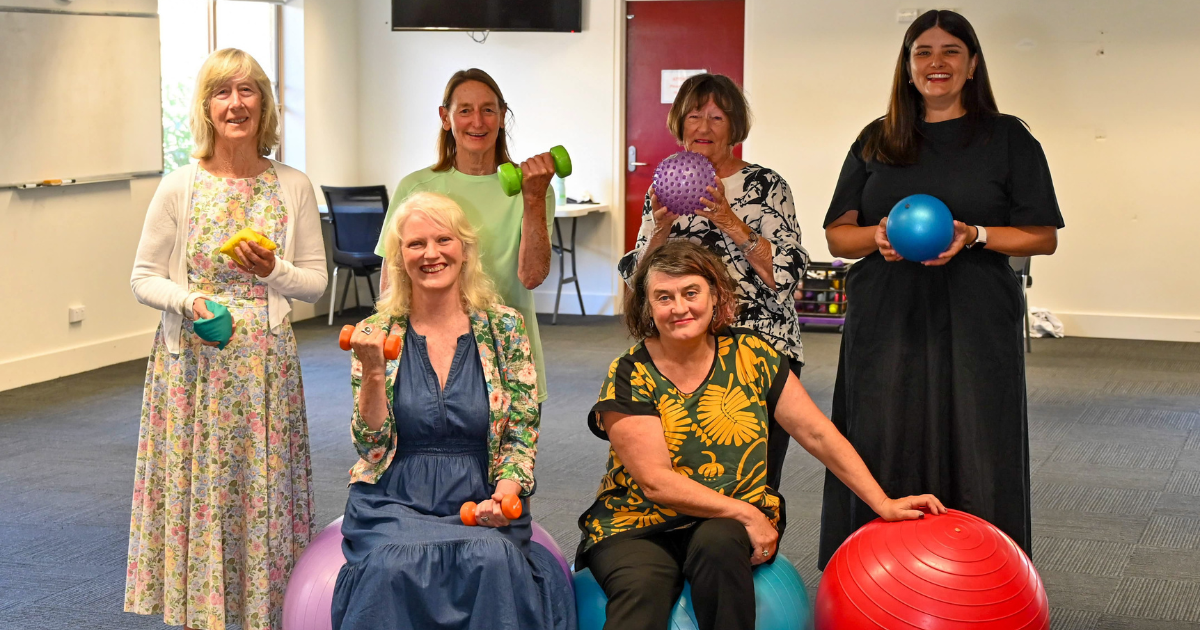
Cr Elise Wilkinson (front, left) at Ocean Grove Neighbourhood House. Photo: supplied.


Greater Geelong’s 14 neighbourhood houses will receive ongoing annual funding under a new multi-year agreement aimed at giving the community organisations greater certainty to plan and deliver services.
Adopted as part of the City of Greater Geelong’s 2026–27 budget, the arrangement provides each neighbourhood house with $17,500 a year, bringing the council’s total annual investment to $245,000.
The change replaces annual funding agreements, allowing neighbourhood houses to plan further ahead and reducing the need for repeated funding applications.
Neighbourhood houses provide a range of low-cost and free activities, education and support services for local residents, including exercise classes, repair cafes, beekeeping, Mahjong, mindfulness sessions, children’s programs, volunteering opportunities and food relief.
The funding comes as council data points to ongoing challenges with social isolation across the municipality.
The city’s social inclusion needs analysis study found 25 per cent of residents experience loneliness, with the figure rising to 60 per cent among young people, 61 per cent among people with long-term disability and 77 per cent among residents experiencing mental health distress.
Mayor Stretch Kontelj said the longer-term funding model would allow neighbourhood houses to spend less time on administration and more time delivering community programs.
“We recognise that neighbourhood houses are important social infrastructure that strengthens community resilience and wellbeing,” he said.
“Our switch to multi-year funding agreements will reduce the administrative burden on these neighbourhood houses and provide more certainty for their programming.”
Deputy mayor Eddy Kontelj said neighbourhood houses played an important role in helping people connect with others and access local support.
“We’re providing funding to neighbourhood houses because they create opportunities for people to put themselves out there, make new friends and upskill,” he said.
“Now, more than ever, we need in-person opportunities to reduce social isolation and loneliness and create positive change.”
Share


Related Articles
New curriculum brings farming into the classroom
A new curriculum resource designed to teach students about regenerative…
Waterfront basketball court edges closer
A new 3×3 basketball court could soon add another attraction…