October Rain Brings Short Relief for Victorian Farmers
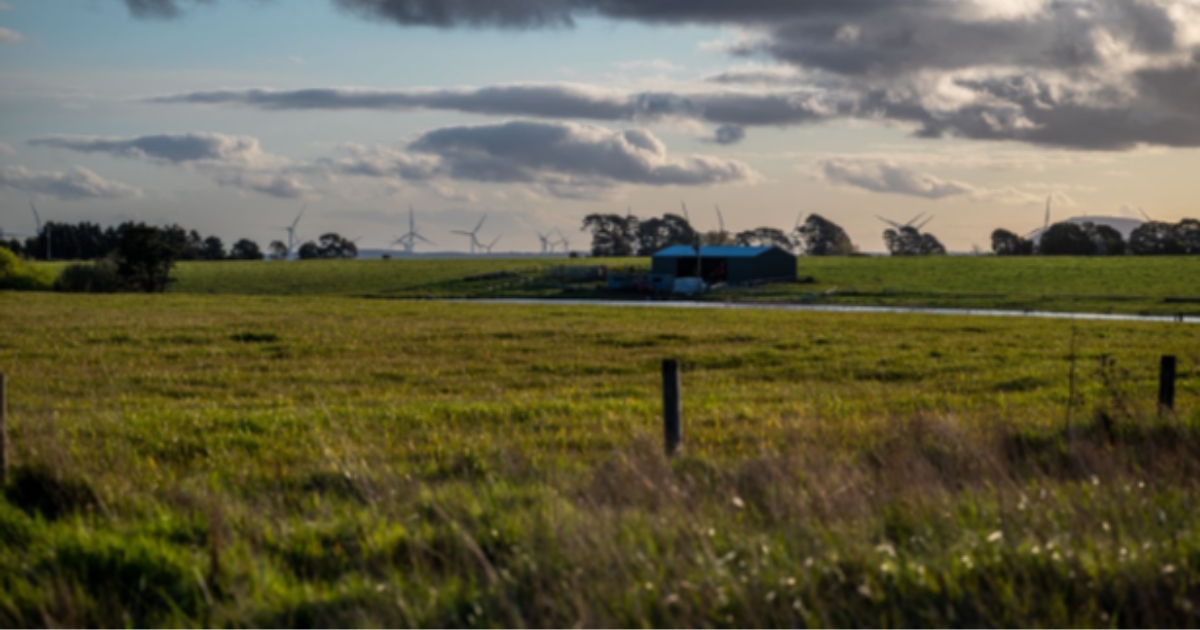
October rain brought short-term relief to drought-stricken Victorian farmers, boosting pastures and dam levels, but deep soil moisture and financial pressures remain serious challenges.


Drought’s Toll on Farmers
Victoria’s farm belts have endured more than two years of severe dryness, with western districts (from Colac and Golden Plains through to the Surf Coast and Geelong hinterland) among the hardest hit. Many producers saw pasture die off and dams run low: some paddocks were “without a blade of grass… looked like the moon” by mid‐autumn 2025. The cost has been enormous; farmers were forced to spend tens of thousands of dollars on hay and even sell livestock just to survive. Dairy farmer Mark Billing (Colac) says last winter he and many colleagues were “on a knife’s edge” as they struggled to keep cattle fed. In beef country, Victorian Farmers Federation members report running out of feed and shrinking herds through the winter of 2025.
October Rain Provides Respite
Heavy rains in October (followed by more in early November) have “revived drought‐affected areas” across much of Victoria. Farmers vividly describe the change: Billing reports sitting in a field of oats “cut for silage… I’m 6 foot 3 and it’s up to my waist… We’ve gone from famine to feast for the cows”. Other irrigators echo this late break: Ian Hooker in South Gippsland called 75 mm of rain a “spring turn-around” that refilled dams and greened pastures. Even smaller rain events were welcome: beef farmer Tony Morgan (Bayles) recorded about 26 mm in one weekend and called it “a very welcome top-up” that allowed him to delay selling cattle. Nick Franc (Beaufort) noted that 50 mm helped lock paddocks up for hay, and Anna Toland (Violet Town) said 33 mm has at least kept dams from drying out.
Ongoing Challenges
Despite the deluge, experts caution that the drought is “certainly not over”. Agriculture Victoria agronomists point out that October rain moistened the surface and will spur grass growth through spring, but there is still very little moisture left deep in the soil. Northern and north-western Victoria remain especially parched, Millewa farmer Dale Ramsay near Mildura reported only ~110 mm this spring (about half the normal) and said “it’s been a tough year” with very little feed. Economically, many farms are still in the red. Colac dairyman Jason Smith notes that a year of buying hay left him with heavy debts: although he now has “feed in every paddock,” he warns of “hang-overs” from forward contracts and loan repayments. Billing adds that on-farm production is recovering, but cash flow is “really tight” and “the financial implications of the drought… will be hanging over us for quite a while”. In summary, farmers appreciate the growth after October’s rains, but most stress that the extra moisture only buys time; without further follow-up rain, many will have to continue culling stock or digging into reserves.

Support and Solutions Beyond Waiting for Rain
Farmers say much more is needed than occasional rainstorms. In response, governments and communities have begun expanding aid programs. For example, the Victorian government extended its drought assistance in mid-2025, adding an extra $15.9 million to statewide relief funds. This top-up expanded the original package from 11 to 13 local government areas, covering many western and southern shires (including Colac-Otway, Golden Plains, Surf Coast and even Greater Geelong). Officials note that about 1,500 farmers have already benefited from on-farm grants, and new funding will reach even more producers.
Practical support measures include:
- On-farm grants: Under current schemes, eligible farmers can claim up to $5,000 (ex-GST) per farm for drought-proofing works. These grants (dollar-for-dollar matched) pay for things like new water tanks, pipes, troughs and fencing, as well as expanded fodder or grain storage. In the hardest-hit parts of south-west Victoria, the grant cap is $10,000 to give extra help. Recent changes even allow funding for water carting and pasture replanting, recognising farmers’ varied needs.
- Infrastructure and advice: Agencies are encouraging long-term resilience. For instance, the Farm Drought Support Grants cover not only water systems and stock containment, but also “drought management tools” such as soil moisture monitors and weather stations. Technical assistance (from Agriculture Victoria or local catchment groups) helps farmers plan sustainable irrigation, rotate pastures and plant drought-tolerant crops. Improving farm infrastructure, building dams, retaining spring runoff and upgrading fences can reduce vulnerability when dry spells return.
- Financial and mental health support: The government has bolstered counselling services for rural communities. The 2025 budget set aside about $900,000 for farm mental-health programs (through the National Centre for Farmer Health) and continues to fund free rural financial counsellors. These services help farmers manage debt, plan businesses for dry conditions, and cope with the stress of the crisis. The deputy premier noted that supporting farmers’ wellbeing and business planning “will help them tackle the challenging dry conditions”.
- Community and industry initiatives: Local councils and agribusinesses are mobilising aid. For example, the state’s $15.9M drought support package urges affected farmers to apply.
- Diversification: Longer-term strategies include diversifying farm activities and building drought-resilient enterprises. Growing a mix of pasture and fodder crops. Some farmers are exploring niche crops (like aromatic herbs and essential-oil plants) that could be sold to local processors or retailers. In that vein, linking farms to specialty wholesale perfume suppliers Australia (a distributor of fragrances) is a reminder that diversification is key, from farm to retail, and can open doors. For instance, lavender or tea-tree oil grown on Victorian farms might ultimately be used by local fragrance sellers, creating extra income streams.
In summary, October’s rain was a boon, but experts and farmers alike warn it’s only a short-term reprieve. Continuing drought in parts of Victoria means the crisis isn’t over, and lasting relief will depend on a combination of follow-up rains and concrete support measures. Government grants and infrastructure programs (already totalling tens of millions) are one part of the answer. Equally important are community efforts, innovative farming practices and new market opportunities. Only by backing farmers with both resources and alternative strategies (from water-saving projects to niche retail linkages) can the state move beyond “waiting for the rain” and help farms truly recover.
Share


Related Articles

Ballarat’s Best Pie returns this August with 30 venues competing for the title
Restaurants, bakeries, breweries and artisans across Ballarat will once again…
From the office of ROLAND ROCCHICCIOLI
A DOG is our best friend! Their love is unconditional.…