Thinking About a Shipping Container Home?
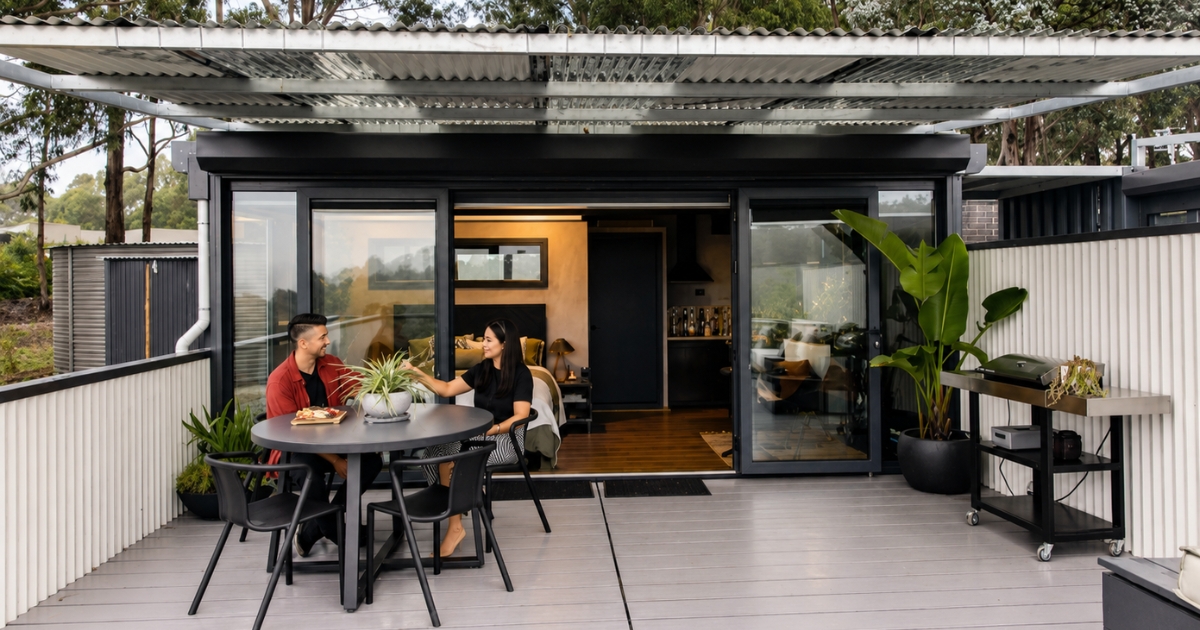
Image courtesy of visitgreatoceanroad.org.au


Here’s What You Need to Know
Drive around the region these days and you will spot them more often: homes, studios, and weekend escapes built from shipping containers. What was once a novelty has become a real option for people after something affordable, quicker to build, and a little different. If you have ever wondered whether a container could work on your own block, it pays to understand what is involved before you start. Shipping container homes can be a smart choice, but they are not quite the cheap shortcut they are sometimes made out to be, and a bit of planning goes a long way.
Why people are drawn to them
The appeal is easy to understand. A container arrives as a ready-made shell, strong, weatherproof, and built to handle years at sea, so the basic structure is already done. That can mean a faster build than a conventional house and, for a simple design, a smaller upfront cost. Containers also suit modern tastes, with their clean lines and industrial look, and reusing an existing steel box appeals to anyone keen to build with recycled materials. For a studio, a home office, a guest room, or a full small home, they offer a flexible starting point.
Planning permits come first
Here is the part people most often overlook. A shipping container used as a dwelling is still a building in the eyes of the law, which means it almost always needs a planning permit and a building permit, just like any other home. The rules vary between councils, and what is allowed depends on your zone, your block, and how the container will be used. Placing one on rural land can carry different conditions than a suburban backyard, and a permanent dwelling is treated differently again from a temporary structure.
The simplest advice is to talk to your local council early, before you buy anything. A quick conversation about zoning, setbacks, and permit requirements can save a lot of money and frustration later. Building to the National Construction Code matters too, since a liveable home needs to meet standards for things like insulation, ventilation, fire safety, and plumbing that a raw container does not.
The real cost
It is true that a used container is cheap to buy. The catch is that the container itself is the cheap part. Turning a steel box into a comfortable home means adding insulation, lining, windows, doors, electrical wiring, plumbing, flooring, and a kitchen and bathroom, on top of delivery, a crane or truck to place it, site preparation, and council fees. Once all of that is added up, a finished container home can cost as much as a conventional build of the same size, and sometimes more if the design is ambitious.
That does not make them a bad idea. It just means the savings come from speed, simplicity, and a smaller footprint rather than from the container being cheap. Going in with realistic numbers is the best way to avoid disappointment.
Getting the site right
Where you put it matters as much as the box itself. The ground needs to be firm and level, with room for a truck or crane to deliver and position the container. In our climate, insulation is not optional. Steel heats up fast in summer and loses warmth quickly in winter, and without proper insulation and ventilation you can also run into condensation. A well-designed container home manages all of this, usually through good orientation, shading, and the same comfort features you would expect in any house.
Services are the other consideration. In town you may be able to connect to power, water, and sewerage without much trouble. On rural blocks you may need tank water, a septic system, and a plan for power, all of which add to the budget and the timeline.
Choosing who builds it
There is a big difference between a backyard cut-and-weld job and a properly engineered home. Cutting large openings into a container removes some of its structural strength, so the framing needs to be done correctly. Working with a builder or company experienced in container conversions, and asking to see examples of their finished work, is the surest way to end up with something safe, comfortable, and built to last. It is also worth checking they can handle the permit process, or at least guide you through it.
Proof it can be done beautifully
If you want to see the potential up close, you do not have to look far. Tucked into the hinterland behind Lorne, Uncontained Lorne offers luxury accommodation built from shipping containers, with self-contained apartments set among the trees and views out over the Otway ranges. It is a short-stay escape rather than a permanent home, but it shows just how stylish and comfortable a container build can be when it is done with care. For anyone weighing up the idea, a night somewhere like it is a good way to experience the space firsthand before committing.
The bottom line
Shipping container homes are not a magic path to a cheap house, but they are a genuine and increasingly popular option, especially for people who value a quicker build, a sustainable approach, and a bit of character. The key is to do your homework: check with your council, budget honestly, get the site and insulation right, and work with people who know what they are doing. Get those basics in place, and a humble steel box can become a home that suits the way we live around here.
//This content is provided by a third party
Share


Related Articles

Ballarat’s Best Pie returns this August with 30 venues competing for the title
Restaurants, bakeries, breweries and artisans across Ballarat will once again…
From the office of ROLAND ROCCHICCIOLI
A DOG is our best friend! Their love is unconditional.…