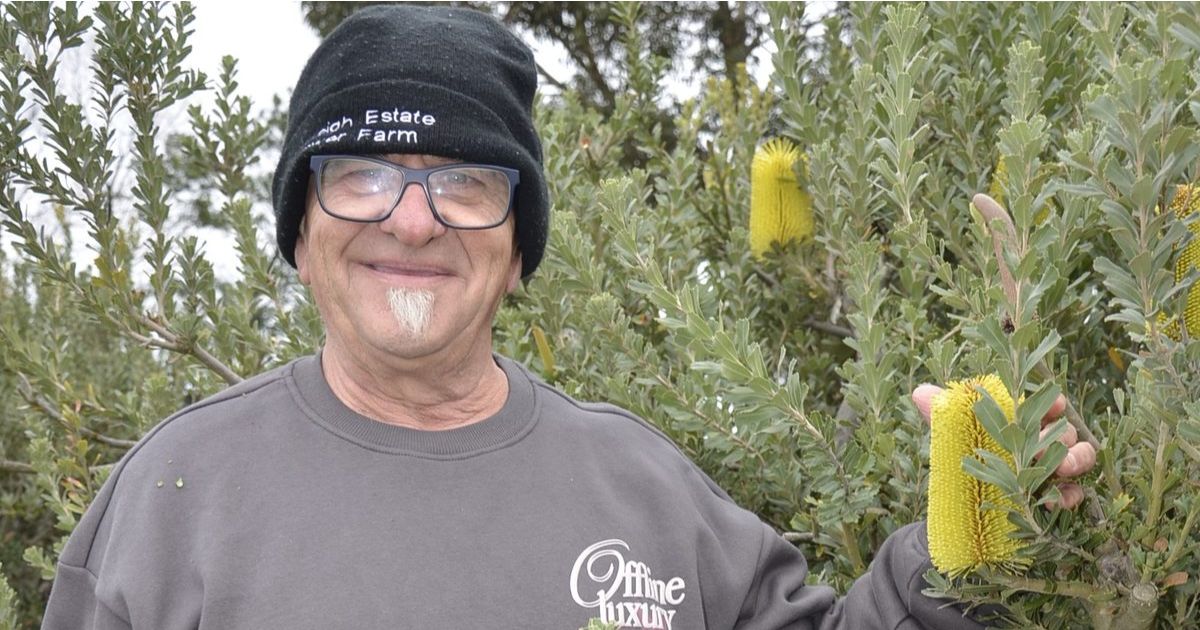
The office of ROLAND ROCCHICCIOLI
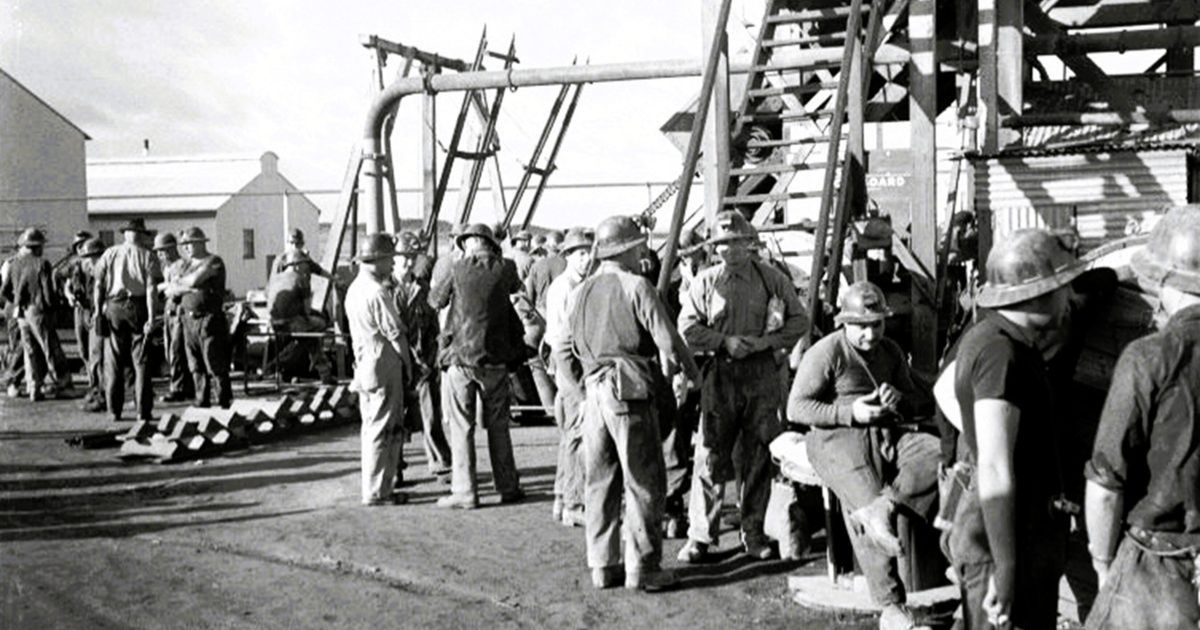
Gwalia 1950s: There were 20-plus languages spoken on the Sons of Gwalia goldmine. Photo: Roland Rocchiccioli collection.


IN 1948, Melbourne’s Sun News-Pictorial published a photograph of six young, smiling, Estonian, Latvian, and Lithuanian women. Labelled the “Beautiful Balts” by Arthur Calwell, it was government agitprop — a covert mollification for a xenophobic public uneasy at the arrival of foreigners.
Opposition Leader Angus Taylor has declared, “English is necessary to live, work, and integrate into Australian society”; accordingly, a Coalition government will make English a compulsory condition for permanent residency.
Taylor’s declaration was an echo of an old argument in new clothes — delivered with disquieting irony at the eponymous Robert Menzies Institute — the man who spent decades ensuring Australia remained white. The minutiae of Australian immigration in the decade following WW2 is a narrative of fear, paranoia, unchallenged prejudice, and, ultimately, transformation. Australia’s first Minister for Immigration, Arthur Calwell said, “populate or perish”. The fear of “the yellow peril” was not a political metaphor but palpable terror.
Australian immigration officers toured war-shattered European refugee camps in search of “New Australians”. Men deemed “too dark, short, or hirsute” were rejected — they failed the physical — “we don’t want monkeys”. Caldwell had scant sympathy for the oppressed. He masterminded unambiguous racial profiling searching for New Australians. Explicitly — no Jews.
The majority of migrants spoke no English and did not require a certificate of language proficiency to become contributing members of society. Few of the 100,000-foreigners who dug the Snowy Hydro scheme tunnels spoke English; nor did many who worked on the production lines at Ford and Holden, or cleared land for the Goulburn Valley orchards.
Animus notwithstanding, they established businesses, raised families, and created the vibrant communities of Carlton and Leichhardt. They retained their mother tongue and — most importantly — taught Australians how to cook! They integrated through hard yakka and a spirit of community. The immigrant diaspora rewrote Australia’s DNA. Mr Taylor’s edict — born from a fear of One Nation’s surge — is textbook xenophobia — epistemic hubris at its demonising worst — pandering to people’s vilest instincts.
Employing English proficiency as a specific tool for residency exclusion is a perfidious betrayal of Australia’s working record — a case of selective amnesia which disregards the economic and historic reality of this Nation’s development.
Tolerance, by its very nature, cannot be bought or hoarded, but we can give it — every day — through humour and consideration. All Australians are — down through the generations — immigrants who came here seeking a better life — escaping multifarious persecutions. So it is — those of us who have prospered — owe a duty, a humanitarian responsibility, to our fellow travellers.
Perhaps we ought subject politicians to the notoriously discriminatory dictation test inflicted on the aspirant immigrant —engineered to emphatically thwart their dreams. Unprepossessing peasants from Calabria — possessed only of a rudimentary knowledge of their own language and perfunctorily deemed ‘bad stock’ — were lingually tested by Australian immigration officers in any one of 27 major European, Asian, and Middle Eastern languages. It is difficult to rationalise the punitive mean-spiritedness — the deliberate humiliation — implemented to guarantee someone else’s failure; to be so calcified against empathy for another’s precarious status.
There is a duplicitous whiff when monocultural, monolingual politicians — who have never experienced the cognitive stress of navigating a second or third language — and do not read, write, or speak the lingua franca diplomatique — harass others on the ease or necessity of linguistic assimilation. Axiomatically, Angus Taylor’s “arrogant p***” does lack a certain — je ne sais quoi!
Physicians, heal thyself!
Contact: [email protected]
Share


Related Articles
Ballarat’s Best Pie returns this August with 30 venues competing for the title
Restaurants, bakeries, breweries and artisans across Ballarat will once again…
From the office of ROLAND ROCCHICCIOLI
A DOG is our best friend! Their love is unconditional.…