Student education program reaping rewards
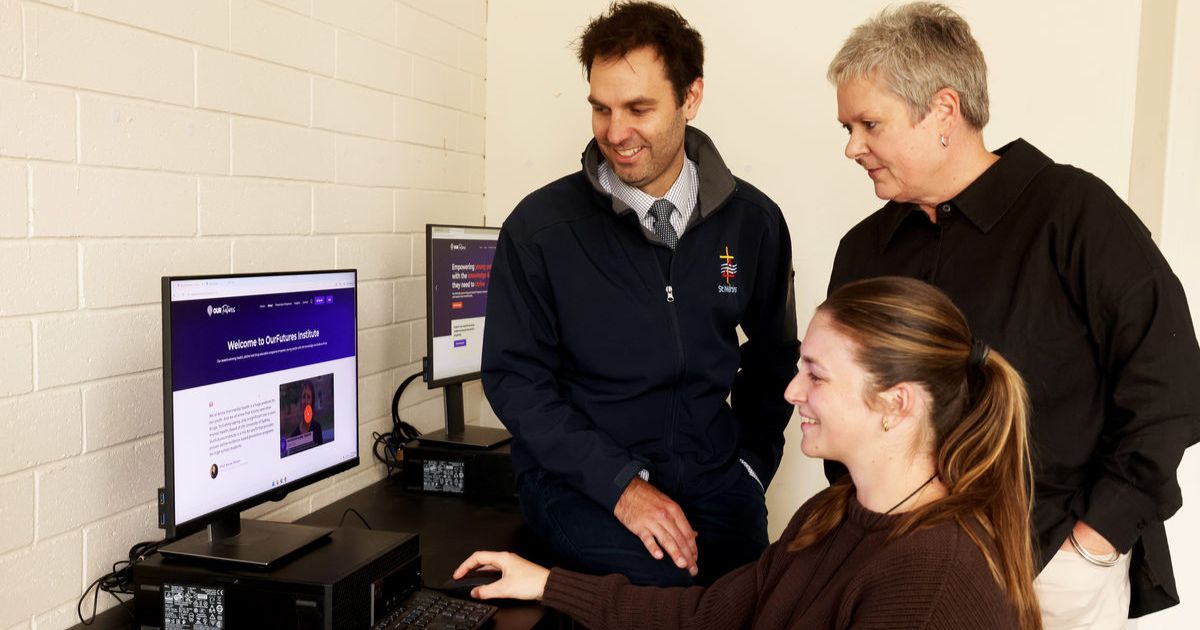
SMLC Project Manager Sophie Bourchier with Year 8 Year Level Leader Chloe Perryman and Head of Pastoral Care Josh Hein from St Martins Lutheran College, who took up the vaping education modules in 2025. PHOTO COURTESY OF KATE HILL (RHETORICA)


LIMESTONE Coast schools are being offered the opportunity to add award-winning alcohol and other drug (AOD) prevention programs into their curriculum, through a partnership with Substance Misuse Limestone Coast (SMLC) and OurFutures.
Co-designed with students and teachers, the online programs use realistic teenage stories to give young people the essential knowledge, understanding, and skills they need to reduce harm to themselves and others.
The Vaping Prevention module, which is recommended for Year 7 and 8 students, is now being offered free of charge to schools, funded by the Federal Government, while additional modules focusing on alcohol, cannabis, mental health education and MDMA and emerging drugs are being offered to local schools at heavily subsidised rates.
SMLC project manager Sophie Bourchier said the modules are evidence-based and empower students to make responsible decisions.
“AOD education is crucial for the well-being and development of young people and it’s vital that they have access to the right education,” Ms Bourchier said.
“SMLC supports OurFutures as best practice AOD education for secondary students and can help local schools in a hands-on approach in the classroom with the delivery of these modules.
“The available modules are evidence-based, with clinical research showing that students who have undertaken OurFutures AOD education have a delayed uptake of alcohol and cannabis.
“This allows schools to strengthen their overall prevention and wellbeing pathway alongside the free vaping module.”
St Martins Lutheran College was one of the first local schools to take up the vaping education last year, along with Allendale East Area School and Kingston Community School.
St Martins Lutheran College Year 8 year level leader Chloe Perryman said it had been a positive reaction to the program from students, teachers and parents alike.
“It was a very engaging program and our students really bought into the different scenarios,” she said. “From a teaching perspective, having the different activities at the end was very helpful.”
Ms Bourchier said clinical research on the education modules have showed they reduce the likelihood of students vaping by 65 per cent, compared to standard health education.
“I would expect to get great feedback from the schools because it’s such a great program and so easy to use,” she said.
“We do this because we have seen other AOD programs delivered to schools without any evidence to show that they work, which have actually done the opposite of what they were intended to do, putting children at higher risk of AOD use.”
For more information or to sign up your school, contact Sophie Bourchier at [email protected]
Share


Related Articles

Tonique students shine in Mildura
TONIQUE Studio students have returned home celebrating outstanding success at…
City unveils new play space
A NEW neighbourhood play space is now open at Hayes…