Data shows regional Victorians hardest hit by melanomas
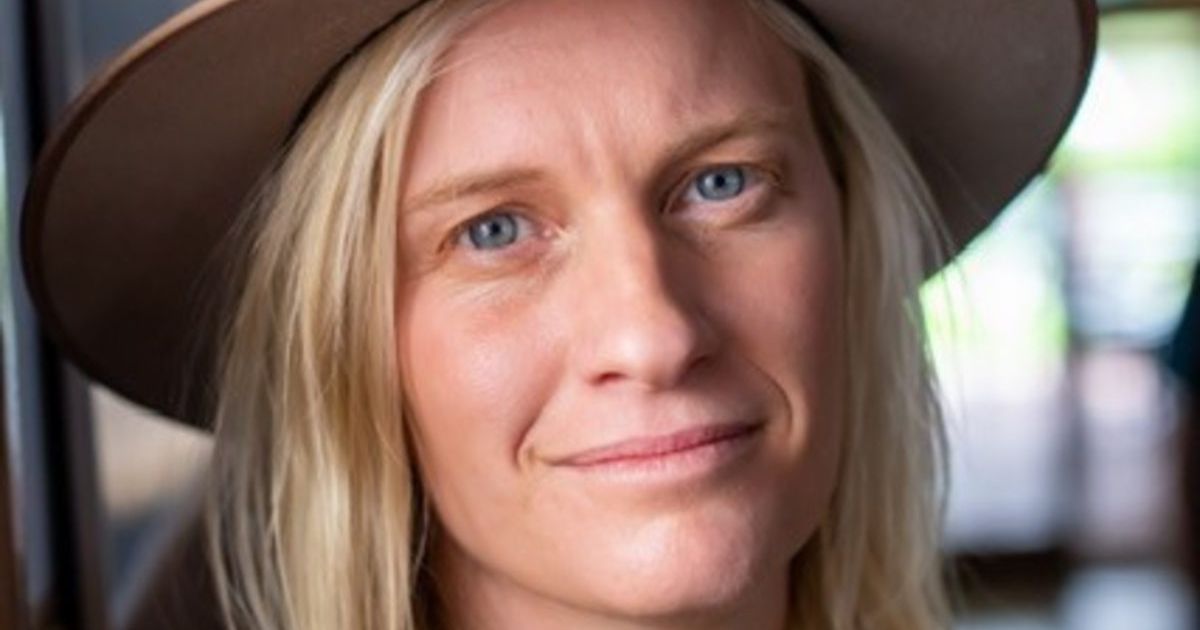
Skin cancer has unfortunately affected three generations of Louise Bibby's family. Photo: SUPPLIED


PEOPLE living in regional Victoria are more likely to be diagnosed with and die from melanoma than people living in our state’s major cities, according to figures released last week by SunSmart.
The latest report by the Victorian Cancer Registry (VCR) found that 3,179 Victorians were diagnosed with melanoma – the deadliest form of skin cancer – in 2024.
More than one third (1,150) of these diagnoses occurred in regional Victoria, where people are 51 per cent more likely to be diagnosed with melanoma compared to people living in major cities.
Notably, the data also shows people in regional Victoria are 35 per cent more likely to die from melanoma than their counterparts living in major cities (Melbourne and the central part of the City of Greater Geelong).
Director of the VCR, Professor Sue Evans, says these figures reveal an equity gap when it comes to melanoma diagnoses and outcomes.
“From towns along the Victorian coastline to agricultural plains and the goldfields, our regional areas are known for their beautiful outdoors and unique outdoor lifestyle. But data we’re spotlighting today shows these communities are also harder hit when it comes to melanoma.”
“Regional Victorians are more likely to be diagnosed with melanoma than those living in major cities and face poorer survival outcomes too. This gap raises serious equity concerns.”
While melanoma is the most dangerous skin cancer, the number of non-melanoma skin cancers across Victoria reveals the scale of the public health challenge.
Medicare records show that in Victoria there has been an increase in treatments for non-melanoma skin cancers such as basal cell carcinoma and squamous cell carcinoma. An estimated 170,743 treatments were recorded in Victoria in 2024 – up from 164,736 in 2023 and 151,355 in 2022.
Head of SunSmart Victoria, Emma Glassenbury, said 95 per cent of melanomas and 99 per cent of non-melanoma skin cancers are caused by overexposure to the sun’s UV radiation, but the good news was that skin cancer is largely preventable with the use of sun protection.
“While the exact causes are still being understood, it’s possible the higher melanoma burden in regional communities is partially due to greater UV exposure from outdoor work and lifestyle, as well as barriers to early detection.”
“But we must remember skin cancer isn’t inevitable; it’s one of the most preventable cancers.”
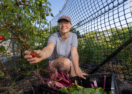
Louise Bibby grew up in rural Victoria and now works in Swan Hill. Skin cancer has unfortunately affected three generations of her family.
“From my grandparents to my father and my siblings, skin cancer has affected multiple generations of my family — with melanoma through to basal and squamous cell carcinomas,” she said.
“My first skin cancer appeared on my hairline at the age of 22 and I’ve since had several more surgeries on my face, nose, scalp, and chest. These experiences have transformed how I think about skin cancer prevention, early detection, and ongoing monitoring.”
To prevent skin damage and lower your skin cancer risk, Glassenbury suggests making a habit of checking the UV levels daily so you do not get caught off guard.
“Victorian summer means extreme UV levels on most days. That’s why we encourage these five simple and potentially life-saving steps whenever the UV is 3 or above: slip on covering clothing, slop on sunscreen, slap on a hat, seek shade and slide on sunglasses.”
For more information, head to sunsmart.com.au
Share


Related Articles
Geelong DJ duo has Miami in its sights
ISAAC Ayres swapped surfboards and school bands for DJ decks,…
Inside the sparkling new studio encouraging
A LIFELONG friendship and love for creativity is fuelling Geelong’s…