Geelong joins upgraded thunderstorm asthma warning network

A new automated pollen counter in Geelong will deliver faster, more accurate thunderstorm asthma forecasts, helping protect vulnerable residents during peak pollen season. Photo: SUPPLIED


A new automated pollen counter in Geelong is expected to improve Victoria’s thunderstorm asthma forecasting system, providing faster and more accurate warnings.
The device is one of six to be rolled out across the state, replacing manual traps with advanced imaging technology that delivers near real-time data.
The upgraded model will deliver three-day forecast, helping predict whether conditions pose a low, moderate or high risk of thunderstorm asthma.
The improves forecasts are expected to help protect vulnerable residents and reduce pressure on hospitals and emergency services during peak pollen months.
Thunderstorm asthma events typically occur between October and December, when certain storm conditions cause grass pollen grains to rupture into tiny particles that can be inhaled deep into the lungs, triggering severe asthma symptoms.
Health Minister Mary-Anne Thomas said the upgrades marked a major step forward in protecting Victorians during peak pollen months.
“We want everyone to stay safe this pollen season and with these high-tech upgrades, more Victorians can now stay informed and put their asthma actions plans in place on high-risk days,” she said.
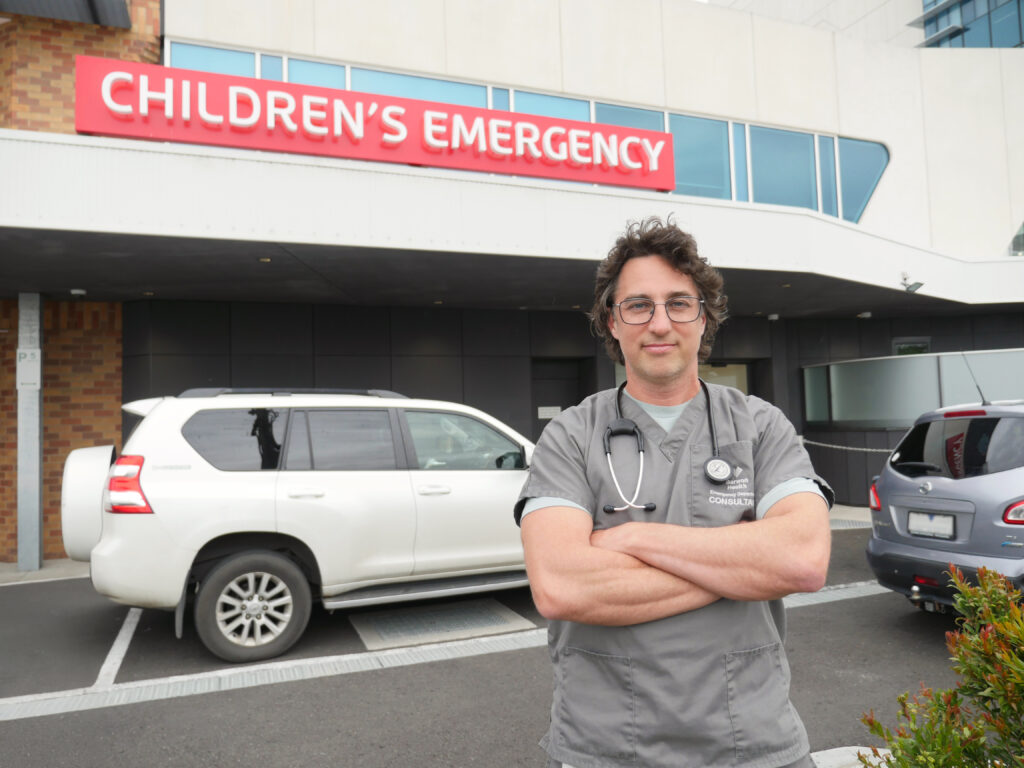
Barwon Health acting director of emergency services Dr Hayden Richards, said the new local data source will bolster the region’s preparedness, but awareness and prevention remain critical.
“If you have asthma or hay fever you can reduce your risk by avoiding being outdoors during thunderstorms, particularly the wind gusts that come before them.
He encouraged locals to regularly check the VicEmergency app for thunderstorm asthma forecasts and ensure family members know basic asthma first aid.
Victoria’s risk forecasting system was launched in 2017, following the world’s largest epidemic thunderstorm asthma in Melbourne in 2016.
More than 8,000 people presented to emergency departments in respiratory distress during the event and 10 people died.
People at risk of thunderstorm asthma are urged to take any prescribed medication, follow their asthma action plan, be alert on higher risk forecast days, and avoid outdoor exposure during wind gusts and storms.
Share


Related Articles

Geelong DJ duo has Miami in its sights
ISAAC Ayres swapped surfboards and school bands for DJ decks,…
Inside the sparkling new studio encouraging
A LIFELONG friendship and love for creativity is fuelling Geelong’s…