$40k in the red: ‘bigger fish’ needed to keep Torquay dawn service alive
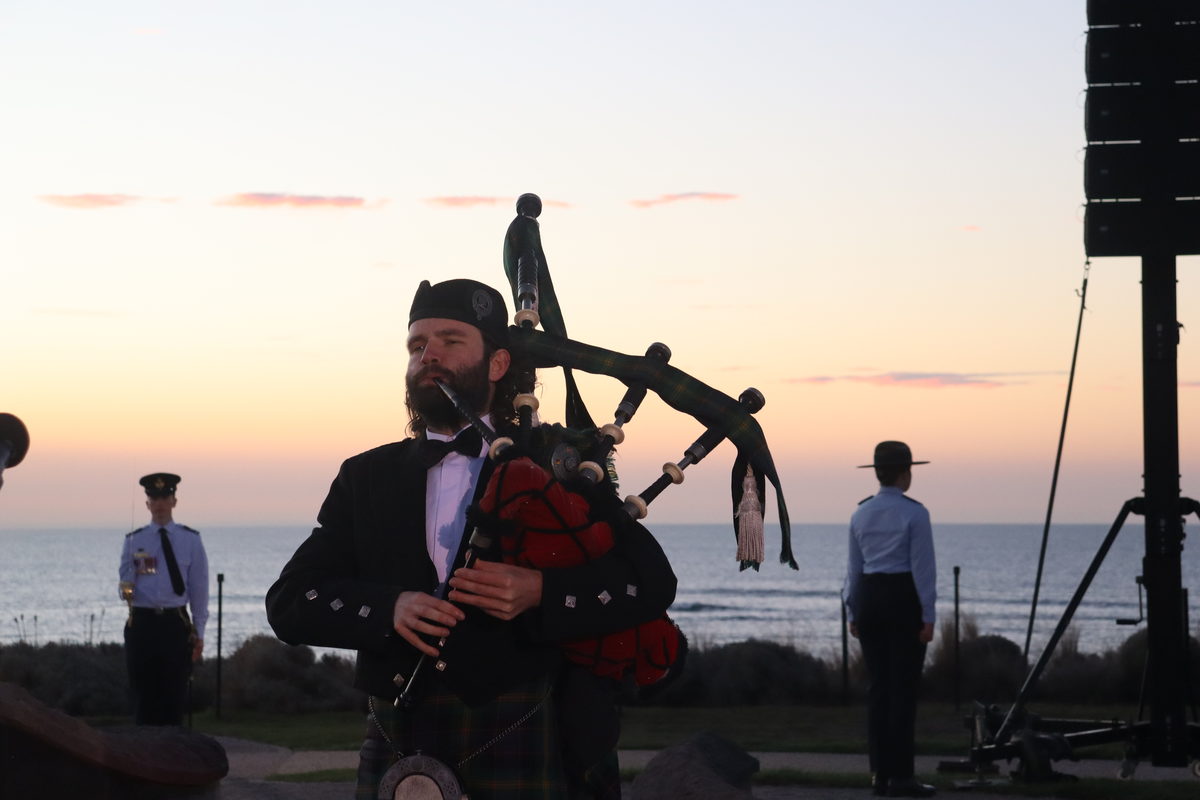
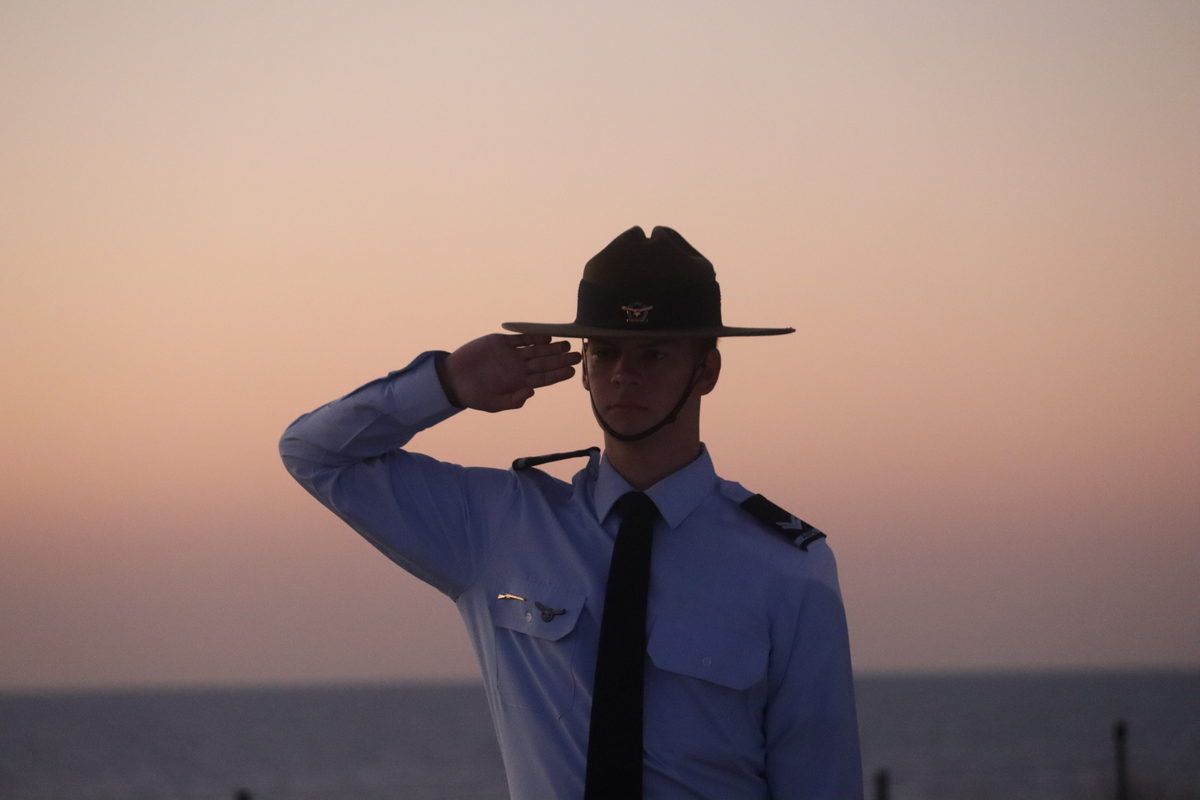
L-R: The Piper's Lament is played at the 2026 Danger Point dawn service. Photo: James Taylor. A cadet salutes during the national anthem at the 2026 Danger Point dawn service. Photo: James Taylor.


TAHLIA SINCLAIR AND NATHAN RIVALLAND
The future of Victoria’s second largest Anzac Day dawn service is uncertain, with costs expected to exceed $90,000 for this year’s event.
The Torquay RSL dawn service, held at Danger Point, has been a longstanding and well-attended tradition for more than seven decades.
But each year, the financial burden continues to grow.
Torquay RSL vice-president Michael Hannon estimates this year’s service will leave the sub-branch $40,000 out of pocket.
The sub-branch secured $30,000 through the Department of Veteran Affairs in grant funding, as well as $10,000 from the Surf Coast Shire and $10,000 from its patron and sponsors, to assist with the running of the service. But Hannon said the funding falls short of covering the nearly $90,000 cost.
He said expenses continue to rise, with significant outlays for tents, seating, lighting, sound and security.
“At the end of the day, it’s not an RSL event, it’s a community event,” Hannon said.
“We run it on behalf of the community, and they do get behind it, with the numbers that turn up, but it’s the bigger corporates, the bigger fish around, that gladly take money from veterans that need to support us.”
This year marked Hannon’s first on the organising committee. He said there was a steep learning curve, but one thing was clear: costs are unlikely to come down.
He was also surprised the financial pressures had not been more widely discussed in the past.
“We can’t sustain that. We are trying to move heaven and earth to do all the normal things,” Hannon said.
“We are mindful in this current climate that it’s tough too, but it forces us to rethink how we will do it all going forward.”
Hannon hopes to continue evolving the service, with a focus on greater youth involvement and bringing younger veterans into the organising group.
Adapting also means meeting donors where they are. This year, the RSL launched a GoFundMe page seeking community support.
“We put one forward to see if people in the community might see it and go, ‘OK yes, I can put in $20’,” he said.
“It seems to be the way young people do it these days; pen and paper is all gone.”
That push toward a more contemporary approach was reflected in a well-received video shown on 25 April.
Centenarian veteran Cliff Dunstone was unable to attend in person, instead sharing his story via a recorded interview played at the service.
Hannon would like to see similar efforts made in coming years.
“That was well received by a whole multitude of people, because there was a genuine person they can relate to,” he said.
“They see there someone’s uncle, dad, brother, as opposed to having some person dressed up in military uniforms going ‘Blah, blah, blah’.
“The questions that were asked, I think, were very poignant, and it just hit the right notes with our target audience.”
Share


Related Articles
Writers explore the power of collaboration
COLLABORATIVE writing will be the focus of this year’s Midwinter…
Recruitment begins for bushfire season
JOBS for entry-level forest firefighters are now available across the…