An ocean under renewed threat
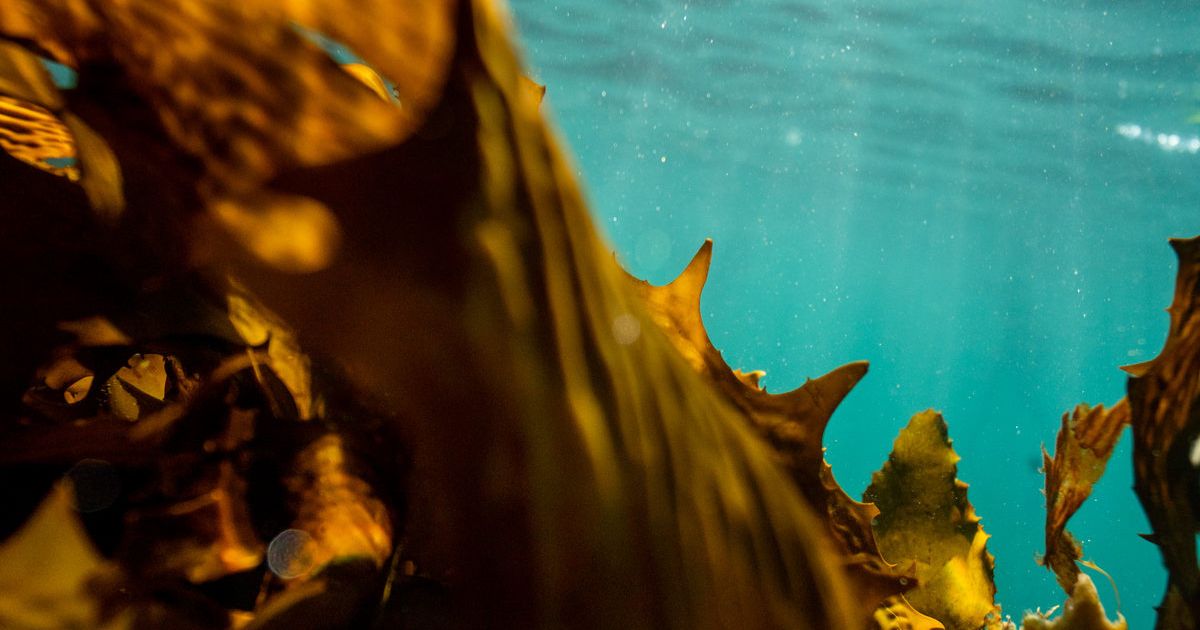
These waters are not abstract zones on a map. They are places of memory and meaning.


ONCE again, coastal communities across Victoria and Tasmania are being asked to protect the same ocean they fought so hard to save, as if past victories counted for nothing.
The Australian government’s decision to open approximately 2.5 million hectares of the Southern Ocean to offshore gas exploration under the 2025 Otway Basin acreage release is not just another policy choice. It is a direct challenge to communities that have already said, loudly and clearly, that this ocean is not for sale.
The release includes five exploration titles, two off Victoria covering around 1.6 million hectares and three off Tasmania covering approximately 800,000 hectares, stretching across some of the most ecologically significant and culturally cherished waters in the country.
These waters are not abstract zones on a map. They are places of memory and meaning. Places where people learn to swim, where surfers greet the sunrise, where fishers work, and where families build their lives alongside the sea. They hold whale breeding grounds, living reef systems and coastal economies that depend on a healthy ocean to survive.
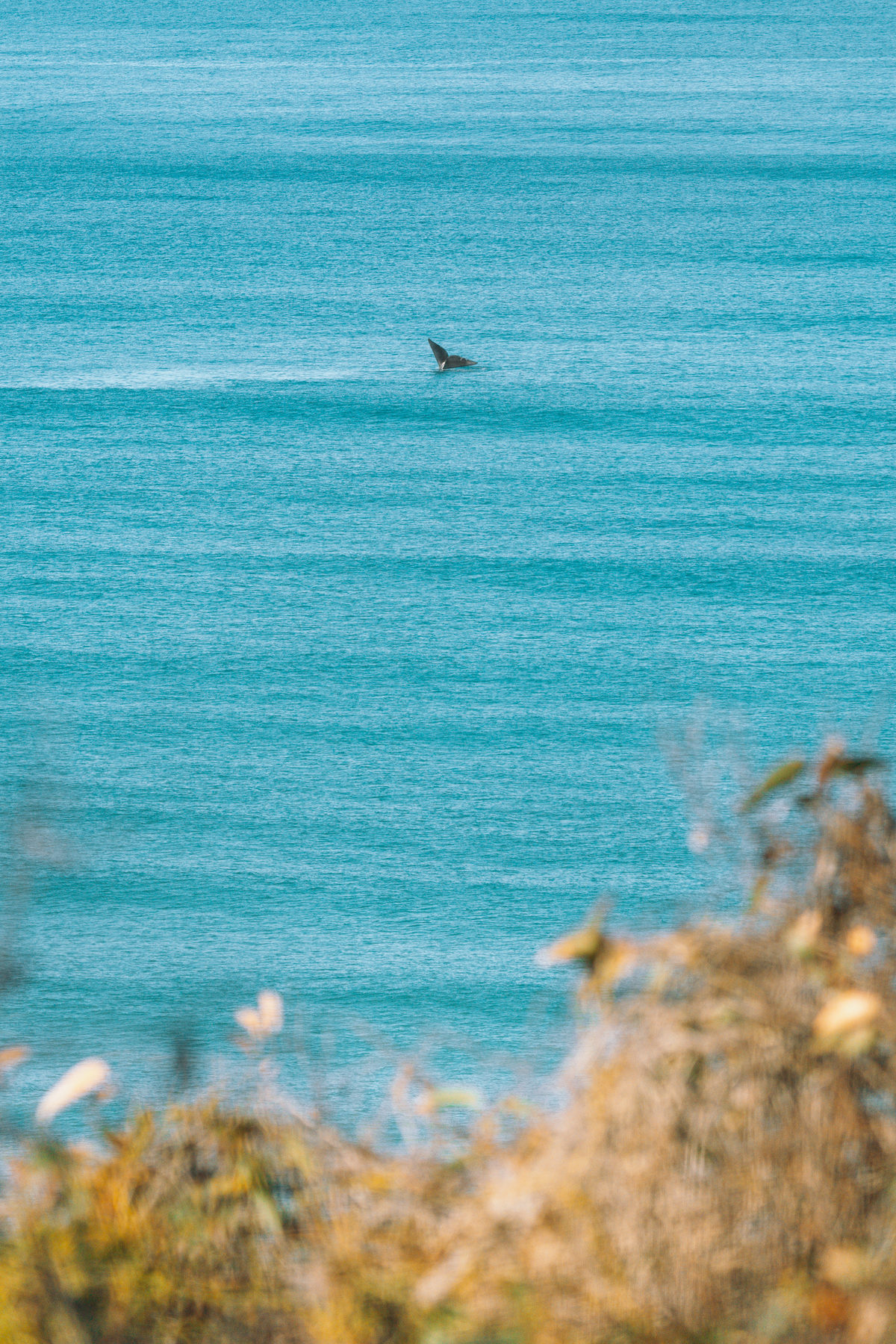
What makes this decision particularly galling is the story we are being told to justify it.
Australians are told we need more gas for domestic energy security, yet around 80 per cent of Australia’s gas is exported, and domestic gas demand peaked years ago and is now in decline.
Much of that gas is shipped overseas, often on-sold into regional markets, delivering enormous profits for multinational energy companies while the environmental and climate costs are left with coastal communities at home.
Australians have been here before, and we have spoken clearly.
In 2019, a nationwide movement won the Fight for the Bight, protecting the Southern Ocean from offshore drilling. In late 2024, communities again came together to stop a proposed 7.7 million-hectare seismic blasting program, the largest ever contemplated anywhere in the world.
These were not flukes. They were expressions of a deep and shared love for the Southern Ocean.
And yet, just over a year later, much of that same ocean has been quietly reopened.

Seismic blasting, the first step in offshore fossil fuel development, involves firing high-intensity airguns into the ocean every 10 to 15 seconds, often around the clock for months.
The science is clear: it disrupts whale and dolphin behaviour, damages marine life and kills plankton and krill that underpin entire food webs.
It is not a temporary inconvenience. It is the start of long-term industrialisation of the seascape.
For many coastal communities, this moment feels like a breaking point. After decades of fighting the same battles against the same threats, people are saying, with calm determination and growing urgency, enough is enough.
Surfrider Foundation Australia stands with coastal communities in opposing this acreage release and calling for an end to all new offshore oil and gas exploration in the Southern Ocean.
This is no longer just about stopping one project. It is about drawing a line, protecting a living ocean, and honouring the responsibility we have to future generations who deserve to inherit a Southern Ocean that is alive, thriving and free from industrial harm.
//SPONSORED CONTENT
Share


Related Articles
Men charged after alleged $50k jewellery burglary spree
TWO men have been charged over a string of burglaries…
Committee for Lorne: Text messaging
TEXT Messaging Today, I have already sent and received a…