Power in numbers: Geelong Women’s Impact Collective battling inequality together
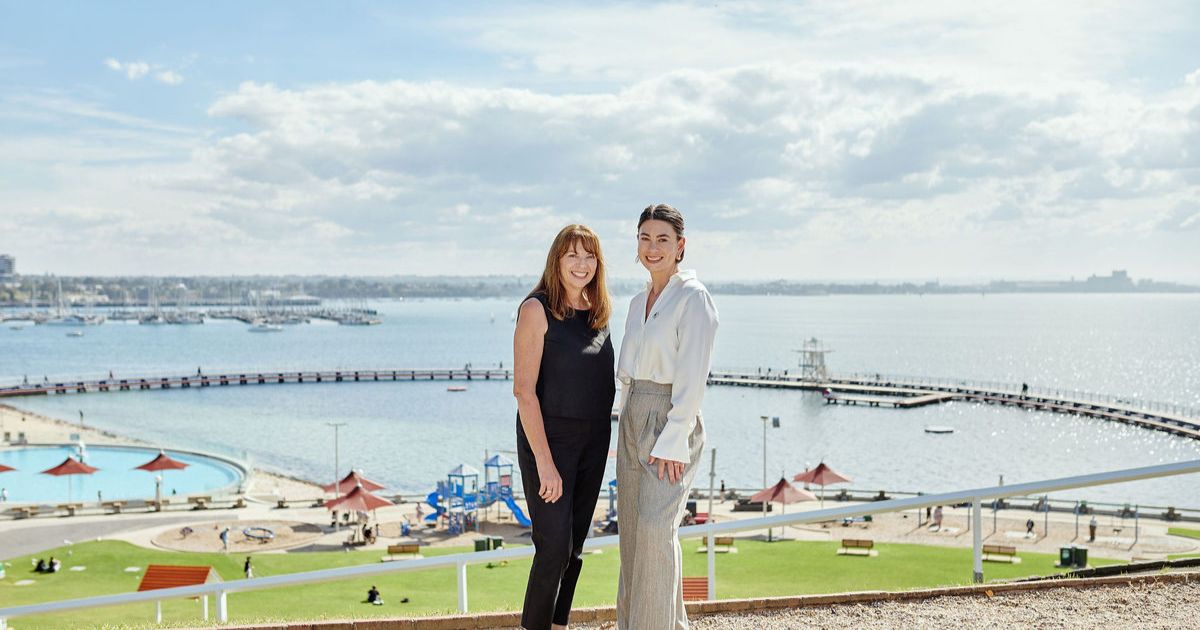
Geelong Women's Impact Collective philanthropy manager Sheridan Emond-Salmon and chief executive Amy Waters. Photo: Matthew O'Donnell/Hails + Shine.


A babbling baby, hot flushes and heels too uncomfortable to stay in – these experiences of real womanhood helped set the tone for Geelong’s newest collective and its focus on advancing gender equity.
The Geelong Women’s Impact Collective launched last week as an initiative of the Geelong Community Foundation, bringing together women and allies from across the region.
At the launch, attendees reflected on the real and ongoing inequities faced by women locally, with a shared commitment to creating meaningful change.
The collective aims to support local, place-based solutions that address inequality and deliver lasting outcomes for women and girls across the region. This includes providing grants to initiatives and programs funded through local philanthropic contributions.
Chief executive Amy Waters said focusing on local philanthropy empowers communities to uplift one another and respond to issues unique to their region.
She hopes women – and allies – will join the collective to help drive long-term impact.
Despite progress in gender equality, significant challenges remain. In Geelong, the rate of family violence is 25 per cent higher than the Victorian average, with far-reaching consequences for individuals and communities.
Women in the region also face insecure housing, financial stress and barriers to education, employment and leadership, issues the collective will work to address.
“What has really struck me is the disconnect between what we think is happening and what is actually happening,” Waters said.
“We have come a long way from the days when women couldn’t vote, or open a bank account in their own name, when they had to resign from their work when they married or had children.
“We now see a growing number of women in leadership; we’ve had a female prime minister. More young women are participating in tertiary education than their male peers.
“But with this progress can come complacency, a sense that perhaps the work is largely done.
“But the data, and the stories, tell us something very different.”
Member contributions will fund grants and be invested into the Women’s Collective Fund, ensuring support for immediate needs while building resources for the future.
Each year, the collective will back high-impact local initiatives, including through the Empowerment Challenge, Common Ground Project and the Sexual Assault and Family Violence Centre.
Waters said funding would target areas where women and girls experience the greatest inequity, including family violence prevention, safe housing, education, employment and economic security.
By pooling resources, Waters said the collective can have greater long-term impact than individual giving.
“Historically, philanthropy has often been seen as the domain of the wealthy – and often, of men,” Waters said.
“But that is changing. We are seeing a shift towards community and collective giving.
“We are seeing what becomes possible when people come together – bringing not just their financial contributions, but their time, their energy, their networks and their leadership – to address the issues they care about most.”
Still in its early stages, the collective has already attracted 78 members, with plans to continue growing its network.
Waters invited anyone interested in learning more about the collective or becoming a member to visit the collective’s website.
The first round of funding is set to be delivered next month.
Share


Related Articles
Long-awaited Mount Duneed school gains selective edge
The Liberals have pledged to build the long-awaited Mount Duneed…
Writers explore the power of collaboration
COLLABORATIVE writing will be the focus of this year’s Midwinter…