Tim watched his Otways property burn through a Ring camera
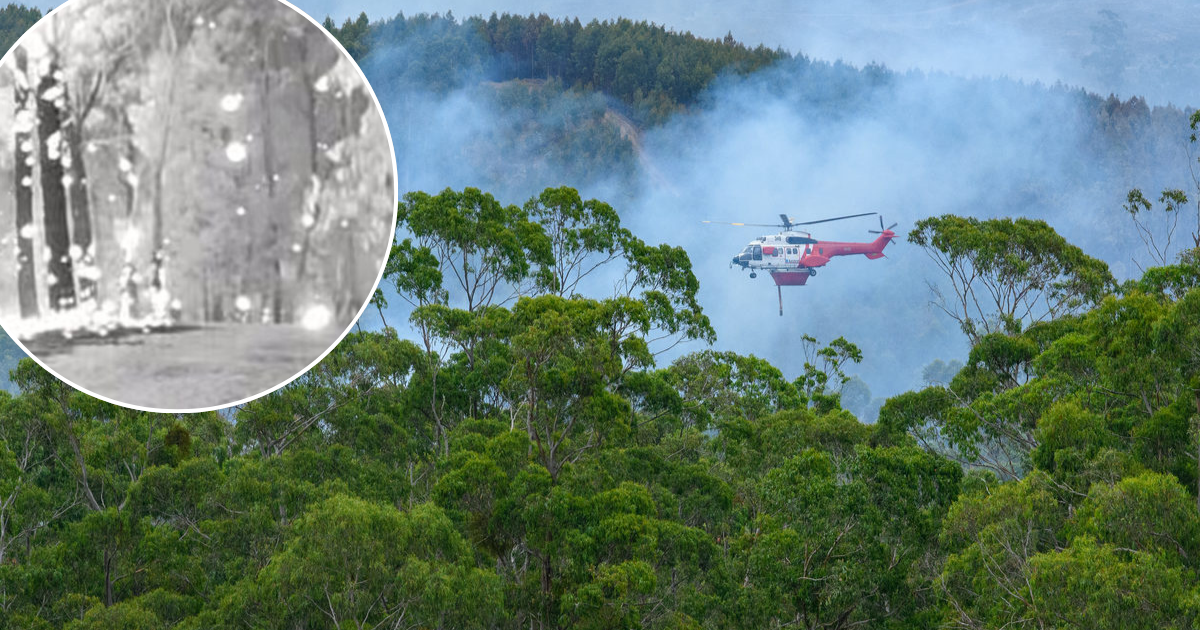
A fire fighting aircraft flies through smoke in Gellibrand. Photo: AAP


Tim Leith was miles away when he watched his property burn, unable to do anything but stare at his phone.
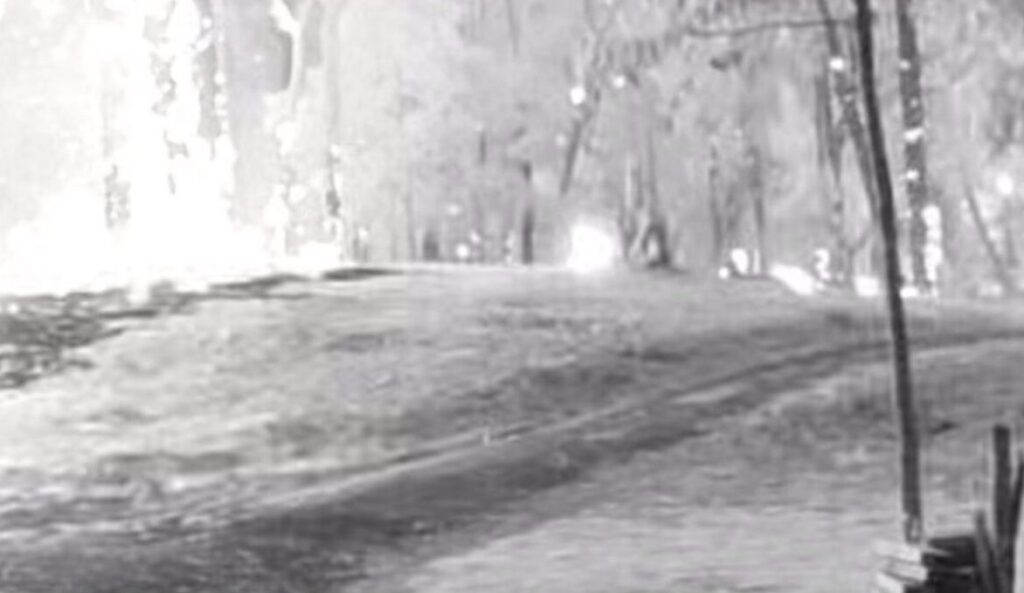
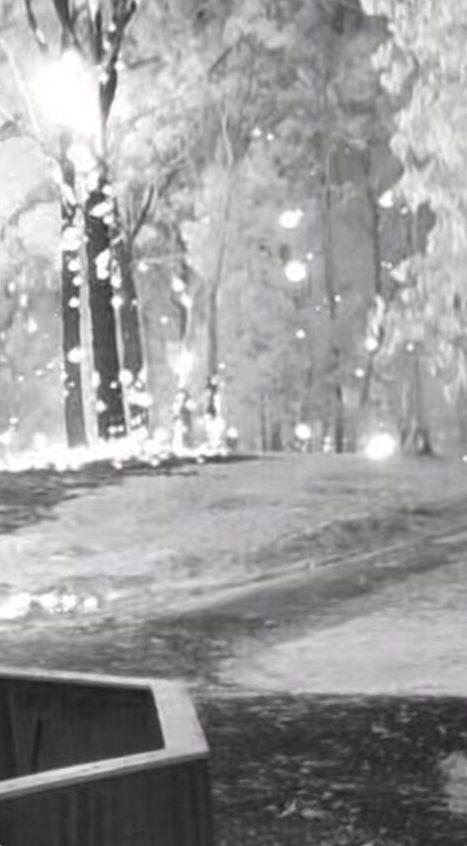
Late on Saturday morning, a faint orange glow appeared on his screen, coming through a Ring camera fixed to a small dining shack on his three-hectare block near Gellibrand.
The property was connected to Starlink, which meant the camera kept streaming even as the fire moved closer. From where he was, there was nothing he could do but watch. At first, Tim thought they might be all right. The fire still looked some distance away.
He and his wife Michelle stayed on the live feed for about half an hour as the glow crept closer, moved around the back of the block and edged its way up the driveway.
Then the camera cut out.
“That was it,” Tim says. “Once we lost the camera, we knew.”
The property, a holiday home set in bushland running down toward the river, was empty at the time.
Tim had been working in Colac for several weeks, where he runs a concreting business. Michelle had already left the area earlier, after spotting smoke and a glow along the fence line.
They had planned to be at the property that weekend with friends, but decided against it after fire warnings were issued.
“We thought it was too risky,” Tim says. “Just as well.”
By the time a neighbour managed to get down there the following day, most of the land had burned through.
“Destroyed,” Tim was told. “Pretty much right down to the river.”
The fire would come back again days later, flaring up under renewed heat and burning what had been left behind.
Across the Otway Ranges, the same thing was happening in different ways.
The bushfire tore through forest and farmland during a record-breaking heatwave, destroying at least 16 homes and dozens of other structures.
Sheds, fencing and farm buildings were lost, and fire authorities warned the blaze would remain in the landscape until sustained rain arrived.
For Tim, the shock wasn’t just the speed of the fire, but how long it stayed active.
“It didn’t just go through once,” he says. “It came back.”
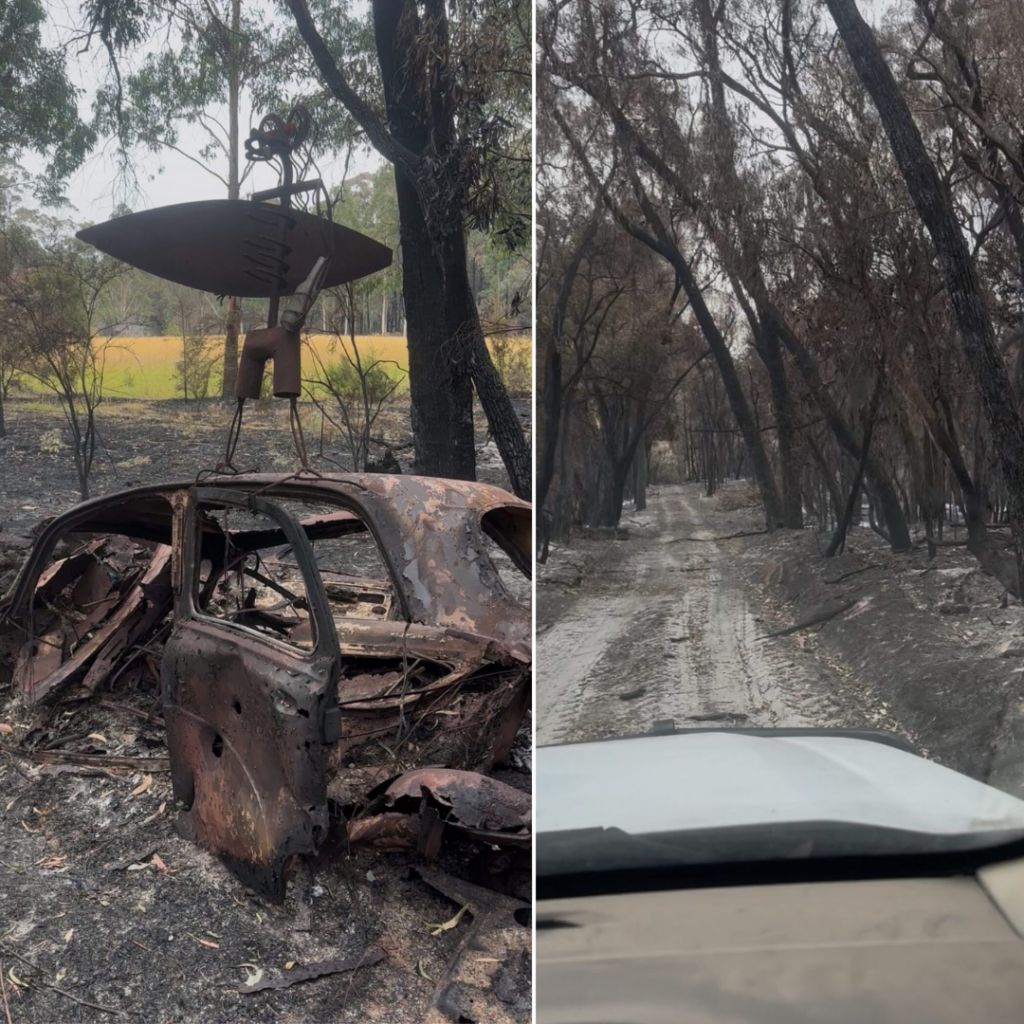
When he eventually returned, the scale of the damage was hard to take in. Machinery was gone. A mower, tools and equipment were destroyed. Tin and twisted metal were scattered across the block.
The canopy above had burned fiercely, and the undergrowth beneath it was gone.
What he saw on neighbouring farms was worse.
“There’s cattle everywhere,” Tim says. “Dead animals. Fences gone. There are flies and maggots breeding on carcasses. It’s awful.”
Livestock wandered across properties with no fencing left to contain them.
In the days after the fire, neighbours worked together to move surviving cattle where they could, trying to keep animals away from the few remaining patches of green grass.
“You just help where you can,” Tim says. “That’s all anyone’s doing.”
That sense of shared effort has shaped the days since. With warnings still changing and flare-ups continuing, clean-up has been slow and uncertain.
Fire crews have returned repeatedly as hotspots reignited, and CFA units were called back to neighbouring properties more than once in a single day.
Heavy machinery struggled to reach some areas, and access remained restricted in places.
In town, the community hall became a hub.
Drinking water was trucked in after fire damage contaminated the local supply. Volunteers helped neighbours navigate disaster relief applications.
The pub reopened, offering a place for people to check in on each other.
“It’s about community,” Tim says. “Everyone’s behind each other.”
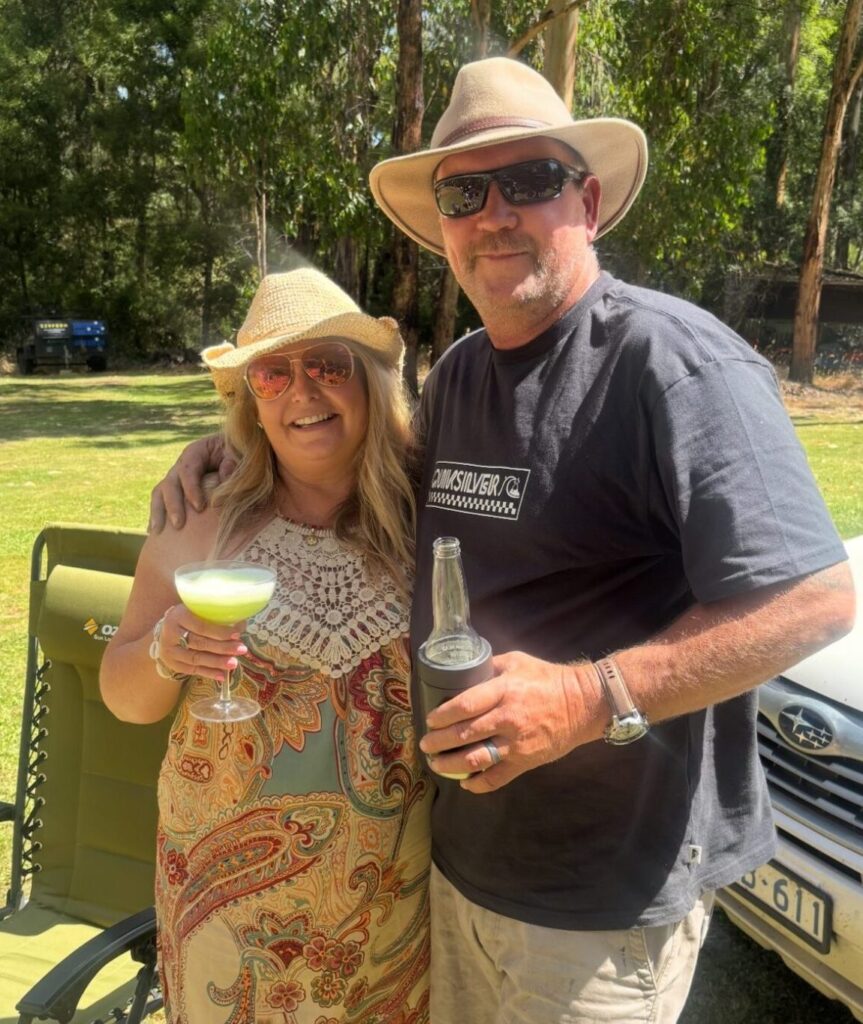
Tim says he knows they were lucky. No one in his immediate circle was injured. Others lost their primary homes. Some lost entire farms.
“There are people way worse off than us,” he says. “That’s the truth.”
He doesn’t shy away from frustration about how the fire unfolded. He believes land management decisions made over many years left the area vulnerable, and says that view is widely shared among locals.
“Absolutely it could have been mitigated,” he says. “That’s the conversation everyone’s having.”
He points to ageing fire trucks, limited resources for local brigades and restrictions on fuel reduction burning and vegetation clearing as factors he believes made conditions worse.
Fire authorities, meanwhile, have stressed the role of extreme heat, dry conditions and dense bushland in driving the fire’s behaviour.
Tim knows it may take weeks before it’s safe to fully assess the damage.
For now, there is nothing to do but wait.
Share


Related Articles

The $15.5m call caught in the Telstra outage
Australia’s biggest home prize raffle has been won by a…
Men charged after alleged $50k jewellery burglary spree
TWO men have been charged over a string of burglaries…