Cancer care gets cultural support
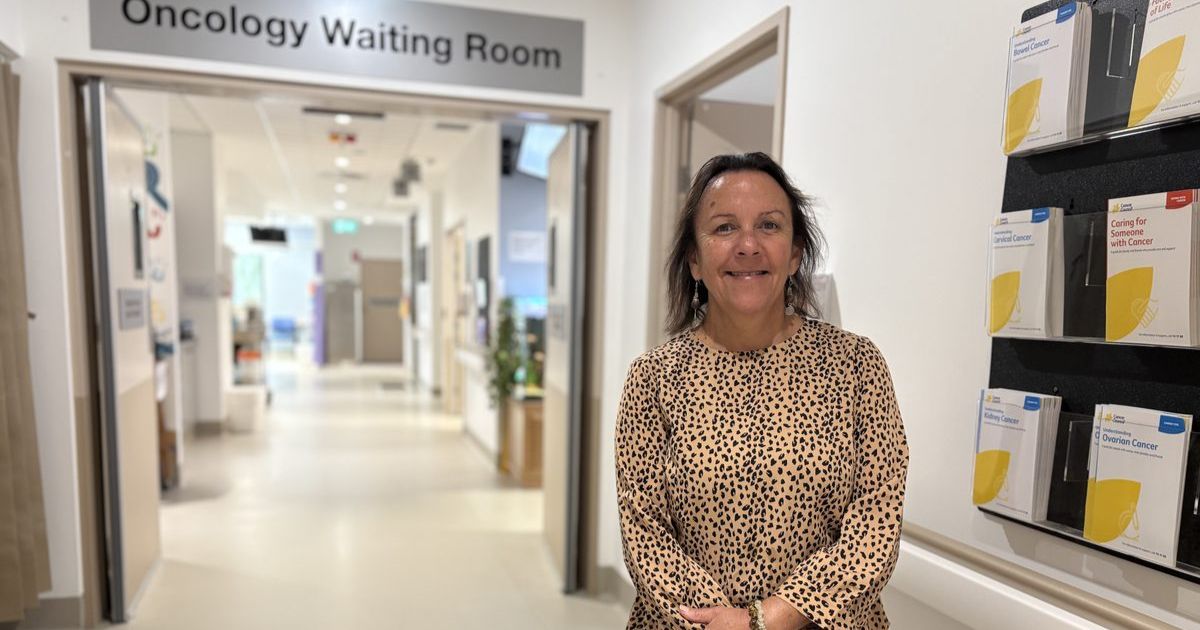
Grafton Aboriginal cancer care coordinator Carmel Monaghan says the role helps Aboriginal patients navigate cancer treatment while supporting culturally safe care. Photo: NSW Health.


NORTHERN NSW Local Health District is recruiting an Aboriginal cancer care coordinator for Lismore Base Hospital as it continues to expand culturally safe support for Aboriginal and Torres Strait Islander people undergoing cancer treatment.
The Lismore position is one of three Aboriginal cancer care coordinator roles across the district, alongside existing coordinators based at Grafton Base Hospital and Tweed Valley Hospital.
Director of cancer services and innovation Stephen Manley said the coordinators helped patients communicate with health professionals, navigate the health system and better understand their treatment.
“Medical language and terminology can also be difficult to understand, so they spend time making sure people fully understand what they’re consenting to and what they need to know when they leave hospital after treatment,” Manley said.
“The community has really appreciated having someone they can talk to while they’re in the cancer centre, and someone they can contact outside appointments as well.
“The coordinators help prepare people before they come in for treatment and become a familiar face. Ideally, they’re people with strong community connections who also understand the health system, so they can provide another layer of support alongside patients’ families and communities.”
Grafton coordinator Carmel Monaghan said the role was equally important in helping health professionals better understand Aboriginal culture.
“It’s very important that an Aboriginal person is there to help staff understand our mob, the respect, the kinship, spirituality and connection to Country,” Monaghan said.
“It is also important to help our people navigate the health system and understand their medical journey.”
The coordinator program began as a Cancer Institute NSW pilot about five years ago before receiving Commonwealth funding to expand culturally safe partnerships in cancer care. The current positions were rolled out across Northern NSW in late 2025.
Manley said cancer services across the district continued to grow, with investment in new facilities, equipment and patient care.
“We’re able to provide high-quality treatment across all of our facilities,” he said.
“The new Tweed Valley Hospital has now been operating for two years, we’ve recently replaced two major pieces of equipment in Lismore, and we’ve got a number of clinical trials underway.”
He said practical improvements, including portable ultrasound machines to assist staff inserting needles during chemotherapy, were also making treatment less stressful for patients.
Share


Related Articles

Northern Rivers Symphony Orchestra presents
CLASSICAL music lovers are invited to experience an inspiring afternoon…
Chris Cobb’s journey home through music
BEFORE singer-songwriter Chris Cobb found himself embracing country music in…