Funding needed for end-of-life care
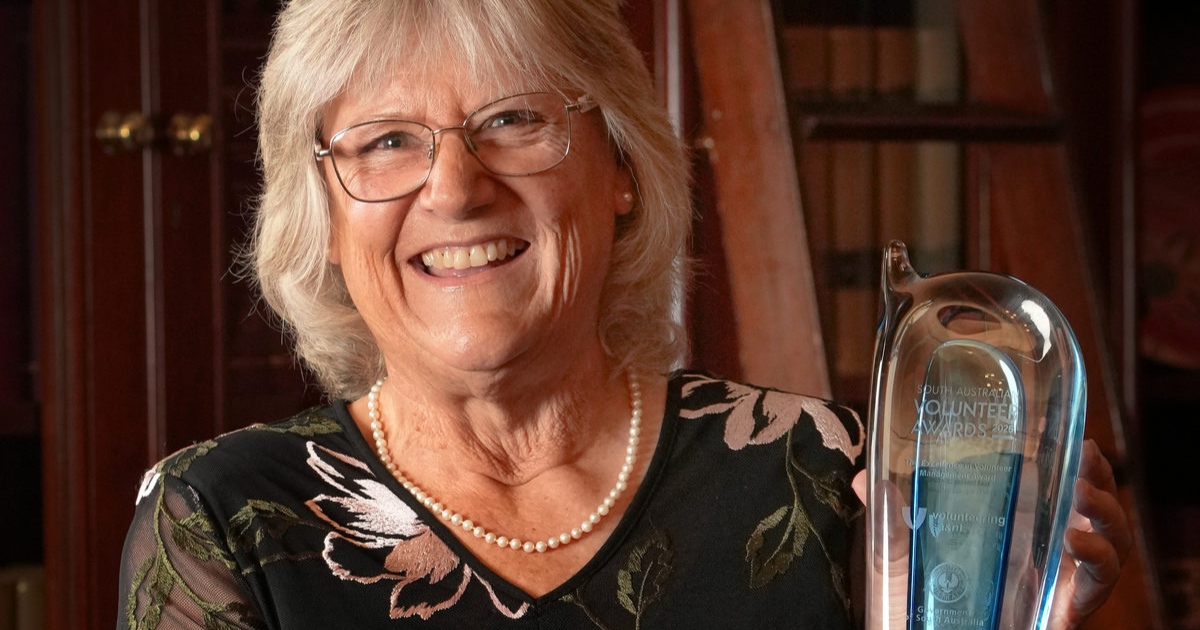
Sandi Elliott with her State Award. PHOTO COURTESY OF MICHELLE VELLA


A VITAL Limestone Coast palliative care service is calling on the State Government for urgent funding to continue supporting families across the region through end-of-life care.
In Home Hospice Care Inc (IHHCare) is the only volunteer-based palliative support service operating in the Limestone Coast, providing a cost-effective community response to gaps in regional palliative care.
Since its establishment in 2021, the not-for-profit organisation has supported more than 200 individuals and families with practical assistance, emotional support, grief counselling and carer education.
The call comes as the Country SA PHN Palliative Care Needs Assessment Report highlights increasing pressure on regional health services, workforce shortages, growing carer strain, and major gaps in community-based palliative and grief, loss and bereavement support across regional South Australia.
Despite growing demand, IHHCare currently receives no ongoing government funding and relies heavily on donations, volunteers, fundraising activities, and short-term grants to continue operating.
IHHCare spokesperson Sandi Elliott said regional families were increasingly relying on community-based support to help them navigate end-of-life care at home.
“We are seeing growing demand and increasing complexity in the needs of families caring for someone at end of life,” Ms Elliott said.
“At the same time, regional services are stretched and unpaid carers are under immense pressure. Our volunteers and counselling services fill a critical gap that would otherwise leave families without emotional and practical support.”
“We are not replacing clinical care — we are strengthening it and helping people remain at home with dignity, comfort and connection wherever possible.”
Ms Elliott said the challenges facing regional communities extended beyond palliative care and reflected broader inequities in access to health and support services.
“Regional South Australians make a significant contribution to the state’s economy through industries such as agriculture, forestry, fishing, manufacturing, and tourism,” she said.
“These industries help drive South Australia’s prosperity, yet many regional communities continue to experience reduced access to healthcare and support services compared with metropolitan areas.”
“Regional families deserve the same opportunity to access quality care and support close to home.”
Ms Elliott said the organisation was seeking sustainable government funding of $150,000 per year to ensure volunteer-led palliative care, grief counselling, and carer education services could continue to meet growing community need.
“Community-based support services play an important role in reducing isolation, supporting carers, and relieving pressure on hospitals and frontline health services,” she said.
“A compassionate health system must value care, connection, and emotional support alongside clinical treatment, particularly for people at end of life.”
The organisation’s volunteer-led model has recently attracted interest from other regional communities exploring how similar services may be developed elsewhere in South Australia.
In May, IHHCare spokesperson and Volunteer Manager Sandi Elliott was awarded the 2026 South Australian Excellence in Volunteer Management Award, recognising her leadership and commitment to building and supporting a highly skilled volunteer workforce delivering compassionate community care in the region.
Share


Related Articles
Hard working volunteer honoured
THE Millicent Lions Club annually presents a ‘Volunteer of the…
Aspiring thespians in the spotlight
LATE last term, Mount Gambier was treated to two evenings…