Restoration project making progress
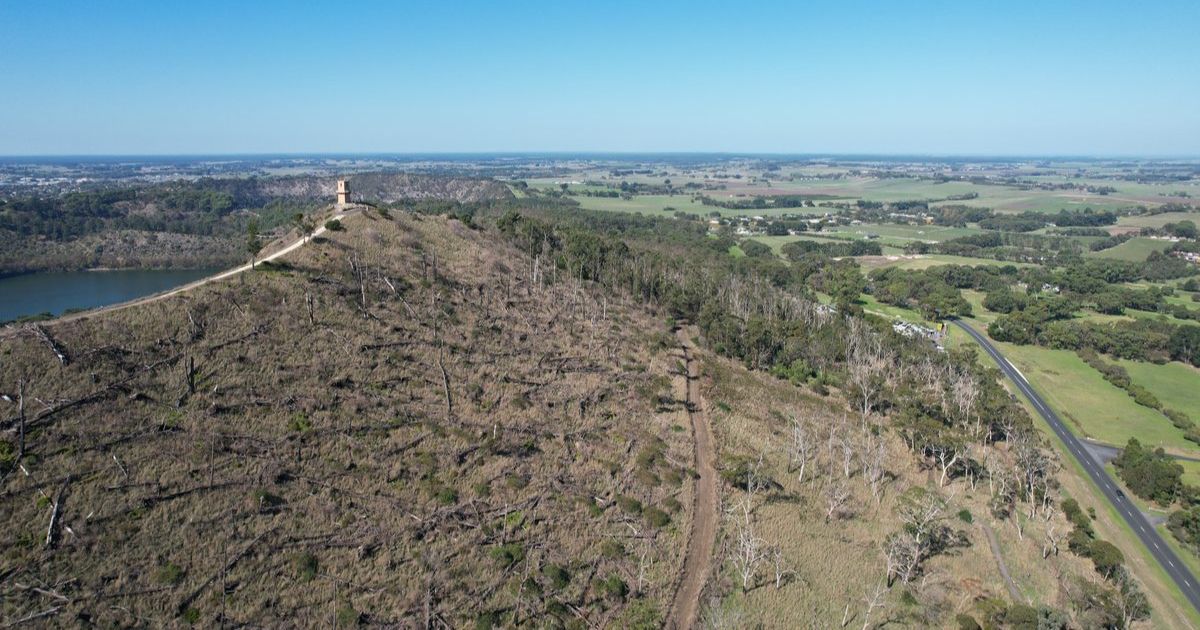
Valley Lakes bushfire restoration continues


THE City of Mount Gambier has endorsed a comprehensive Crater Lakes Bushfire Rehabilitation Plan, marking a significant step toward restoring fire affected areas of the Crater Lakes heritage area and improve long term environmental outcomes.
Council endorsed the Bushfire Rehabilitation Plan prepared by Landscape Architects Oxigen, including recommended methodologies to rehabilitate approximately 11.3 hectares of land impacted by the January 2022 bushfires, at its April meeting.
The plan focuses on the safe removal of fire affected pine trees on the south western slopes of the Crater Lakes, stabilisation of embankments and progressive revegetation to return the site to a more natural and sustainable state.
City of Mount Gambier general manager city infrastructure Barbara Cernovskis said the endorsement reflects council’s long term commitment to protecting one of Mount Gambier’s most significant natural and cultural landscapes.
“The Crater Lakes area is central to Mount Gambier’s identity, and this plan provides a carefully considered, evidence based pathway to restore areas impacted by the bushfire while protecting the site’s state heritage values,” Ms Cernovskis said.
“Since the fire, many of the pine trees have died and become unstable, creating public safety risks and ongoing environmental impacts. Their safe removal is essential to enable long term rehabilitation and restore public access and amenity.”
The plan has been developed in collaboration with a governance steering committee and informed by ecological, cultural and site specific investigations. It also reflects feedback received through community consultation undertaken in August 2024.
Implementation will commence with a trial rehabilitation site in the 2026/2027 financial year, incorporating a cultural burn as a key land management practice in partnership with Burrandies Aboriginal Corporation, subject to required approvals.
Ms Cernovskis said the staged approach allows Council to monitor outcomes and adapt methods as required.
“Starting with a test site enables us to closely monitor vegetation response, weed management and site stability before progressing to other areas,” she said.
“Early observations already show encouraging native regrowth in some locations since the fire, highlighting the potential to reduce future planting requirements and work more closely with natural regeneration processes.”
The rehabilitation project will be delivered in two stages:
Stage 1 – Bushfire rehabilitation of the south western slopes.Stage 2 – Rehabilitation of the Bluegum fire affected area.Future trail networks and recreational infrastructure are not included in this plan, and will be considered separately as part of the Crater Lakes Trails Project.
Council officers will continue working with the Department for Environment and Water, Limestone Coast Landscape Board, State Heritage SA, and Aboriginal stakeholders to ensure all cultural, environmental and legislative requirements are met prior to implementation.
“This plan aligns strongly with council’s strategic priorities for environment, heritage protection and liveability,” Ms Cernovskis said.
“Through a collaborative and respectful approach, we are working to reintroduce culturally sensitive land management practices and ensure the Crater Lakes remain a safe, resilient and treasured place for future generations.”
Share


Related Articles
Hard working volunteer honoured
THE Millicent Lions Club annually presents a ‘Volunteer of the…
Future proofing Mount Gambier
THE City of Mount Gambier is progressing the development of…